Introduction
Nobody wakes up hoping to suffer. Nobody asks for addiction, grief, loss, or failure. Pain hurts, and most of us spend a lot of energy trying to avoid it. But eventually most people run into a harder question: can suffering actually become useful? Not good. Not desirable. Useful — which is a very different question than whether it’s pleasant.
Useful Doesn’t Mean Necessary
This isn’t an argument that suffering is required for growth — people learn plenty through joy, love, curiosity, and success too. Suffering is just one teacher among many. The real question isn’t whether pain is necessary. It’s whether something meaningful can come out of it once it’s already happened.
Why Suffering Changes People
Suffering interrupts routine. A loss, a failure, a relapse — and suddenly questions you’d been avoiding are impossible to ignore: what matters, what am I doing, what needs to change. Pain and meaning aren’t the same thing, though. Two people can go through nearly identical hardship and come out completely differently — one bitter and closed off, the other wiser and more compassionate. The suffering itself doesn’t decide which way it goes. What you do with it does.
What Recovery’s Hardest Lessons Teach
A lot of people in recovery eventually realize some of their most valuable lessons came from the experiences they wanted least — a relapse, a stretch of real loneliness, a moment of shame they couldn’t talk their way out of. The pain doesn’t justify itself. But the lesson can still be real.
Compassion often grows the same way. People who’ve actually suffered tend to recognize pain in others faster, judge less, and listen more — not automatically, but often, because they know what it cost to get there.
What Suffering Can Clarify
Hard seasons have a way of stripping away illusions about what actually matters — relationships, time, health, purpose, the things that get taken for granted until they’re threatened. Suffering also tends to humble people in a useful way: it reminds you that you have limits, that you need help, that you don’t control everything. That kind of humility is usually where real learning starts.
The Honest Limits of This Idea
Not all suffering becomes useful. Some of it just stays suffering — growth isn’t guaranteed, wisdom isn’t automatic. The difference usually comes down to whether you’re willing to reflect honestly on what happened, not whether the pain was big enough to deserve a lesson. And when people say suffering taught them something, they’re rarely saying they’d choose to go through it again. A hard chapter can hold real wisdom without ever becoming a chapter you wanted to live.
The Scar, Not the Wound
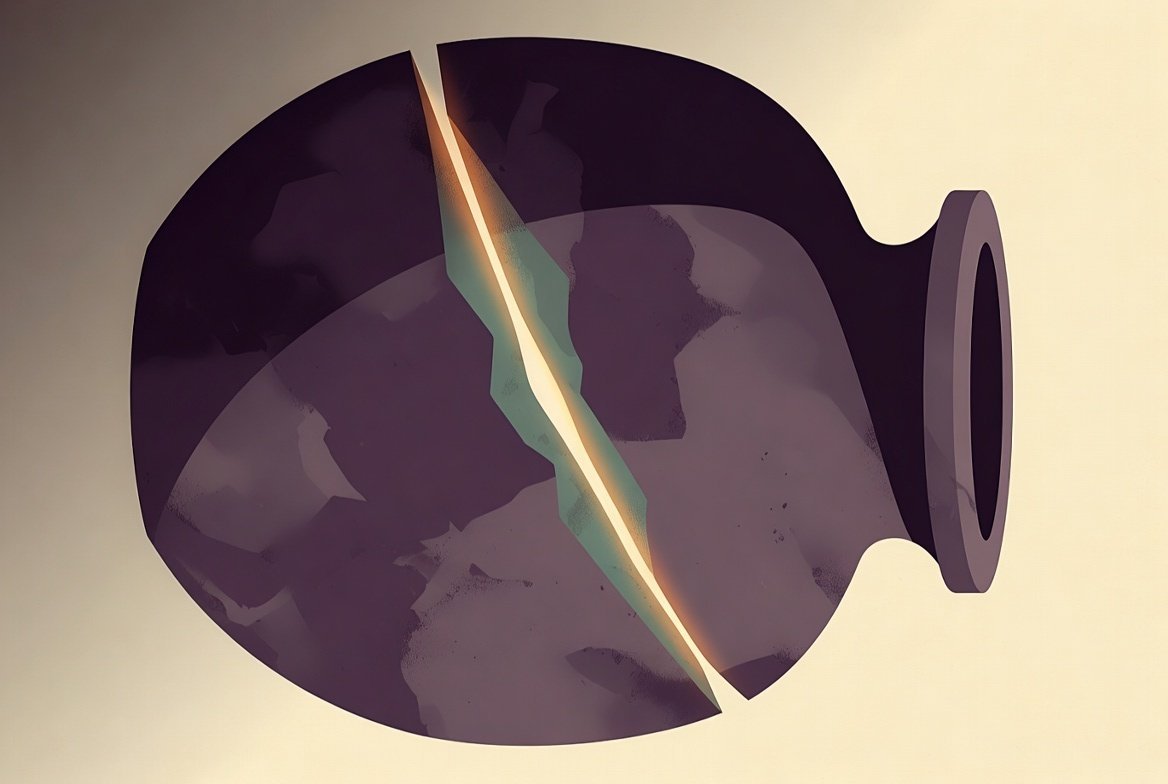
A scar is evidence that healing happened — not that nothing happened. A lot of people eventually find that the experiences they’d most want to erase become exactly what lets them help, understand, or connect with someone else going through it now. The wound stays part of the story. What it’s used for is what changes.
If you’re carrying something painful right now, it might help to ask: what has this actually taught me, and how has it changed me? Your suffering doesn’t get the final word. Your response does.