Introduction
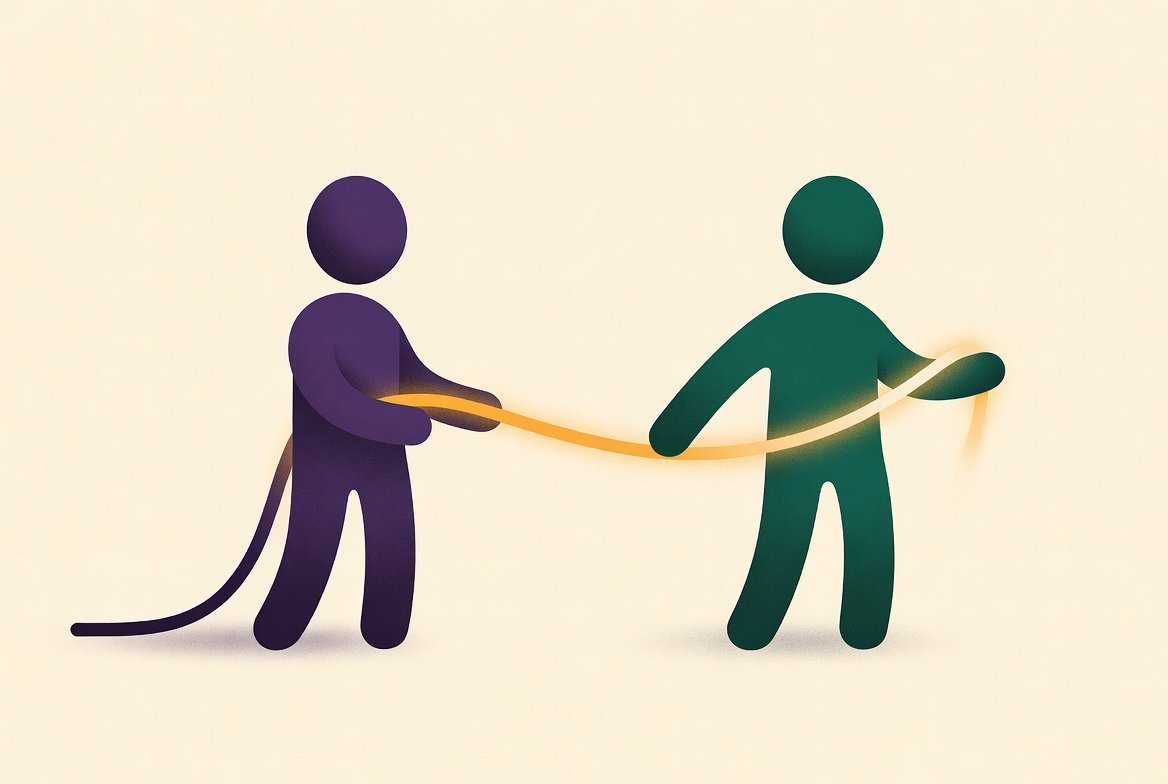
Addiction usually gets framed around substances, behaviors, and cravings — but a lot of it is also about people. Not because anyone else causes addiction, but because human beings are deeply social, and certain people end up tied to specific patterns in your life, whether anyone intends it or not. A People Anchor is someone whose presence consistently pulls you toward a particular behavior, mindset, or environment. Sometimes that influence is positive, sometimes destructive, sometimes just familiar — and understanding it helps explain why recovery feels easy around certain people and surprisingly hard around others.
How a People Anchor Forms
Your brain is constantly linking experiences together — a person, a place, a feeling, a behavior, repeated often enough that they become connected. Eventually just seeing the person can activate the whole network: “this is what we do together,” even years after circumstances have completely changed. A drinking buddy, a using friend, a gambling partner, a family member who triggers old patterns — the person doesn’t need to actively encourage the behavior. Their presence alone can be enough to activate the memory and the routine attached to it.
Not Every Anchor Pulls You Backward
This matters: People Anchors aren’t automatically negative. The exact same psychological process works in both directions — a sponsor, a mentor, a trusted friend, or a recovery group can pull you toward honesty and growth just as powerfully as an old drinking buddy can pull you toward relapse. Some relationships reinforce addiction. Others reinforce healing.
Why Familiarity Is So Hard to Walk Away From
Familiarity feels safe even when it isn’t healthy — “we’ve always done this together,” “this is just how things are.” The history feels comforting and the routine feels normal, which is exactly what makes harmful patterns so hard to spot. The relationship and the behavior start feeling inseparable, even when they’re clearly not good for you anymore.
Sometimes the real difficulty isn’t the person — it’s what they represent: a former identity, an old lifestyle, a coping mechanism you’re actively trying to outgrow. Being around them can feel like stepping back into a version of yourself you’re working hard to leave behind. They may not have changed at all. You have, and that gap can create real tension.
Why Recovery Sometimes Changes Relationships
As people grow, some relationships naturally shift — not because anyone did something wrong, but because the relationship was built around a version of life that no longer exists. Recovery tends to change priorities, interests, boundaries, and daily routines. Some relationships adapt to that. Others struggle, and that’s often one of the harder parts of real growth.
You can genuinely care about someone and still recognize they’re not healthy for your recovery right now — love and proximity aren’t always the same thing, and missing someone doesn’t automatically mean they belong in your daily life. Sometimes growth requires distance, at least for a season, without that meaning the relationship is permanently over.
Strengthening the Anchors That Help
One of the more useful recovery moves is intentionally investing in the people who pull you toward the life you actually want — who encourage honesty, support growth, and remind you of your own values. These relationships deserve real attention, because recovery rarely happens in complete isolation. You become more like whoever you surround yourself with, for better or worse — attitudes, habits, and mindsets all spread between people, which isn’t a reason to judge anyone harshly, just a reason to stay aware of the direction your circle is actually pulling you.
Boundaries Aren’t Judgments
A boundary isn’t a declaration that someone is a bad person — it’s a recognition that certain relationships affect you in specific, real ways. Less contact, different settings, clearer limits — these don’t have to be permanent, but they’re often genuinely protective, especially during a period of real change.
The Bottom Line
People Anchors are powerful because people are powerful — they shape your thoughts, habits, and decisions in ways that are easy to miss day to day. Some relationships pull you toward the life you’re trying to build. Others pull you toward the life you’re trying to leave. Recovery doesn’t require cutting everyone from your past out of your life. It does require understanding who’s actually shaping your future.