Introduction
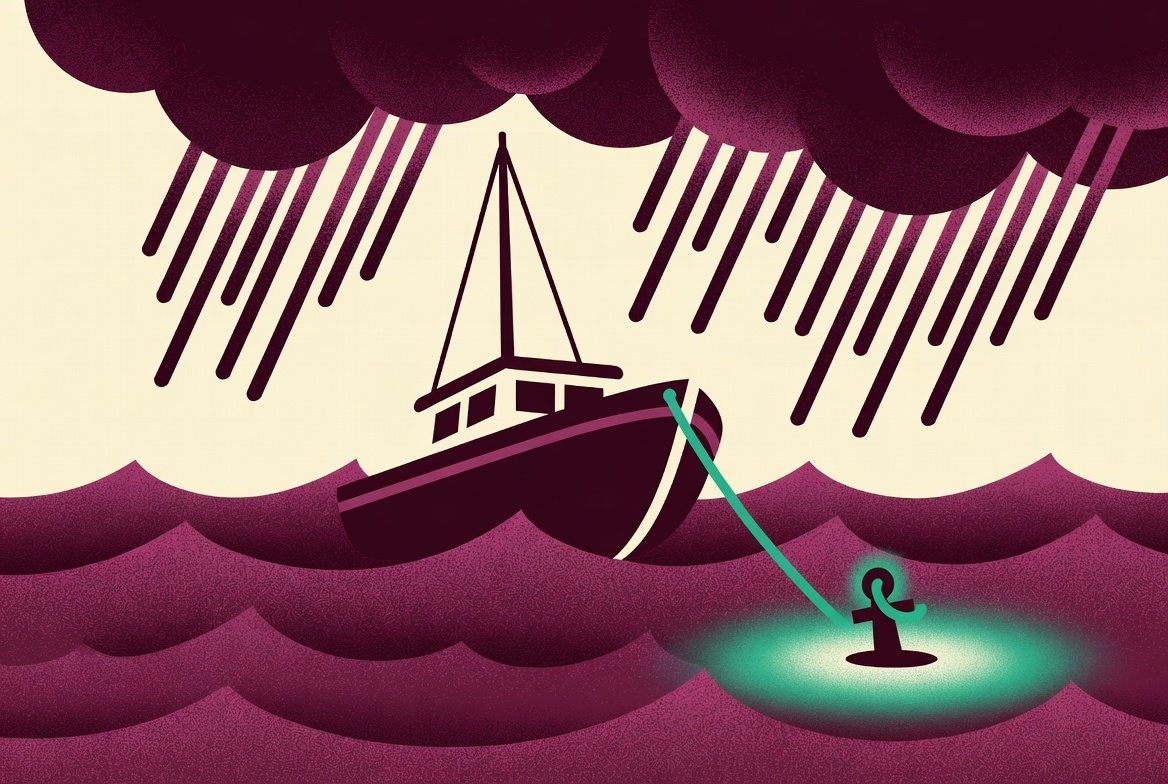
Recovery isn’t usually tested on the easy days — it’s tested on the stressful, lonely, exhausting ones, when old patterns suddenly start looking appealing again. Most people don’t relapse because they forgot recovery mattered. They relapse because they hit a moment where the pain or temptation outweighed their ability to respond in that instant. That’s where recovery anchors come in — they don’t remove the storm, but they help keep you from being swept away by it.
Why Motivation Alone Isn’t Enough
A lot of people start recovery feeling genuinely determined and ready. But motivation is a temporary emotional state — nobody feels motivated every single day, and stress, fatigue, doubt, and boredom eventually show up for everyone. If recovery depends entirely on motivation, it becomes vulnerable the moment motivation disappears. Anchors exist for exactly those days.
Your Reasons, Your People, Your Routine
Remembering why recovery matters — family, health, freedom, faith, self-respect — is one of the most reliable anchors there is. These reasons can feel obvious on a good day and easy to lose sight of on a hard one, which is exactly why a lot of people benefit from writing them down somewhere visible. The mind tends to forget what the heart already knew, and sometimes it just needs a reminder.
Connection matters just as much. Isolation is one of addiction’s favorite environments, and a single honest conversation with a sponsor, friend, or counselor can interrupt a spiral before it builds real momentum. Daily structure helps too — consistent sleep, regular meals, work, reflection time — not because structure is glamorous, but because it reduces the number of moments where impulsive decisions get to take the wheel.
Coping Skills, Values, and Faith
Every addiction served a purpose, providing relief, escape, or distraction — which means recovery needs real alternatives: walking, journaling, meditation, prayer, exercise, talking to someone you trust. These tools won’t produce instant results, but over time they become genuinely healthier ways of moving through discomfort.
Values — honesty, courage, responsibility, integrity — tend to hold steady even when emotions don’t. They answer a different question than “what do I feel like doing right now”; they ask “what kind of person do I actually want to be,” which usually produces better long-term decisions. For a lot of people, faith adds another layer — meaning, hope, forgiveness, perspective, and the sense that you don’t have to carry every burden completely alone.
Future Vision, and the Anchors You Might Overlook
One of addiction’s sharpest tricks is shrinking the future down to just the present urge. Recovery often requires deliberately expanding the timeline again — who do you want to be a year from now, what kind of life are you actually building. A genuinely compelling future can become a powerful anchor in a difficult moment.
Some anchors are easy to overlook entirely — a pet who depends on you, a kid who’s watching, a promise you made, a morning routine, a favorite place. Not every anchor needs to be dramatic. Sometimes the most ordinary things are exactly what keep you grounded.
Anchors Need Maintenance
Even strong anchors need upkeep — relationships need attention, values need reflection, faith needs nurturing, purpose needs renewal. Recovery isn’t about finding an anchor once and forgetting about it. It’s about continuing to strengthen the things that help hold you steady, because the stronger the anchor, the less likely the storm is to carry you away.
Building Your Own List
It can genuinely help to write down three reasons you want recovery, three people you can actually contact, three coping strategies that work for you, three values that matter most, and three goals for your future self — then keep that list somewhere accessible. Clarity tends to disappear exactly when you need it most. Preparation helps bring it back faster.
The Bottom Line
Storms, difficult days, and cravings are all part of recovery — none of them automatically mean failure. The real question isn’t whether storms will come. It’s what’s going to keep you steady when they do. Your anchors won’t make life perfect or remove every challenge, but staying connected to what matters most is often enough to carry you through one more day.