Introduction
Few words in recovery create more confusion than surrender. Some people hear it as giving up, defeat, losing. Others hear acceptance, humility, freedom — and the same word produces completely different reactions depending on someone’s experience. That makes sense: most of us were taught that success comes from fighting harder, pushing harder, holding on tighter, so asking someone to surrender can sound completely backward. A lot of people eventually discover that surrender isn’t about quitting at all. It’s about stopping a battle that was never actually being won in the first place.
Surrender Isn’t Resignation
Resignation sounds like “nothing matters, why bother, I’ve given up.” Surrender is different — it doesn’t say “there’s no hope.” It says, “this approach isn’t working.” One creates hopelessness. The other creates honesty, and that distinction makes all the difference in how the rest of recovery unfolds.
The Exhaustion That Leads There
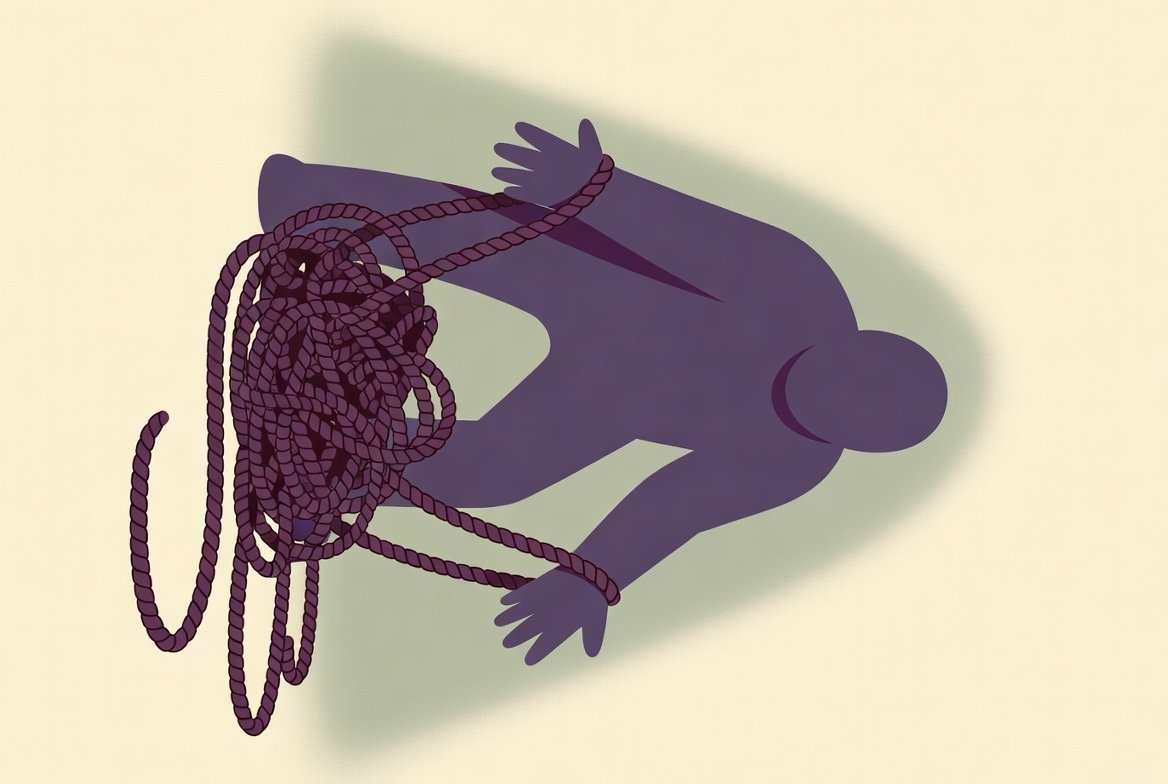
A lot of people arrive at surrender through sheer exhaustion — promises, bargains, rules, deadlines, secret plans, willpower alone, sometimes for years, all built on the belief that trying harder will finally produce control. Eventually a painful pattern becomes impossible to ignore: the strategy isn’t working, the addiction keeps winning, the consequences keep growing, and the cycle keeps repeating. That realization is usually the actual doorway to surrender.
At its core, surrender is an act of honesty — “I can’t keep pretending this isn’t a problem, I can’t keep doing this alone, I can’t keep lying to myself.” That’s not a person becoming weaker. It’s a person becoming more truthful, and truth is usually where real recovery actually begins.
When the Negotiating Finally Stops
Addiction loves negotiation — the mind becomes a skilled attorney, arguing “just one more time,” “tomorrow will be different,” “I’ve got it under control.” The terms keep shifting, the promises keep changing, and the outcome rarely does. Surrender usually begins the moment the negotiating actually stops — when the arguing with reality finally ends.
This is one of recovery’s stranger paradoxes: the more control people chase over their addiction, the more controlled by it they tend to feel. Surrender can create genuine freedom precisely because it shifts attention away from controlling the addiction and toward building an entirely different life instead.
Surrender Takes Real Humility
Humility isn’t self-hatred or weakness — it’s accurate self-assessment. It lets someone say “I need help, I don’t have all the answers, I can’t solve this the way I’ve been trying to.” Those admissions feel uncomfortable. They can also be genuinely transformative.
People approach surrender differently — some through faith, others through community, professional help, or simply telling the truth for the first time. The form differs. The underlying principle stays the same: stop fighting reality, start working with it instead.
What Surrender Is Not
Surrender doesn’t mean becoming passive, abandoning responsibility, waiting for someone else to save you, or giving up on growth. In a lot of ways it’s the opposite — it usually requires real courage, because it asks you to stop hiding from what’s actually true.
The Relief Hidden Inside It
Surrender feels frightening mainly because it involves real uncertainty — the old strategy, however broken, was at least familiar, and surrender means stepping into something unknown. A lot of people fear that step right up until they actually take it, and then describe something they didn’t expect: relief. Not because every problem suddenly disappears, but because the exhausting struggle against reality finally stops. The energy that was going toward denial and negotiation becomes available for actual healing instead.
The Bottom Line
Surrender isn’t about giving up on yourself — it’s about giving up on strategies that stopped working a long time ago. It isn’t weakness. It’s clarity. It isn’t defeat. It’s truth. A lot of people find that recovery genuinely begins the moment they stop trying to overpower reality and start working with it instead. Addiction may have taught you to fight. Recovery tends to teach something different.