Introduction
A lot of people in recovery spend years convinced the problem was whatever felt like it was chasing them — stress, fear, regret, shame, loneliness. They try to outrun it with substances, distractions, work, noise, people, sometimes just sheer busyness. The logic seems reasonable enough: if something hurts, create distance; if something scares you, move away from it. The strange part is that no matter how far someone runs, they tend to keep arriving in the exact same place.
Running Works — At First
This is what makes running so convincing: it works, at least temporarily. The relief is real, the distraction is real, the problem genuinely looks smaller for a while. Because it works, the brain remembers — “when this feeling shows up, leave” — and the pattern strengthens, not because anyone is weak, but because the strategy actually appears effective. At first.
The real cost of constant movement is that it prevents observation. If you never stop moving, you never get a clear look at what you’re actually running from — only the pressure behind you, the urgency, the instinct to keep escaping. Eventually the running itself becomes more familiar than whatever’s being avoided. People get skilled at leaving. A lot less skilled at staying.
Not Everything Chasing You Is a Predator
This realization tends to change a lot for people. Some things chase you because they want attention, not destruction — a difficult conversation, an unresolved emotion, a painful memory, a decision that’s been avoided too long. These can feel threatening. A lot of them are really messengers rather than monsters — it’s just that from a distance, almost everything looks like a monster.
The Silence That Shows Up in Recovery
One of the stranger experiences in recovery is silence — not literal silence, but internal quiet. The substance is gone, the usual distraction is gone, the escape route isn’t available anymore, and suddenly there’s space. For some people that feels peaceful. For others it feels genuinely terrifying, because everything that had been drowned out — thoughts, feelings, questions, old truths — becomes audible again.
The Moment of Turning Around
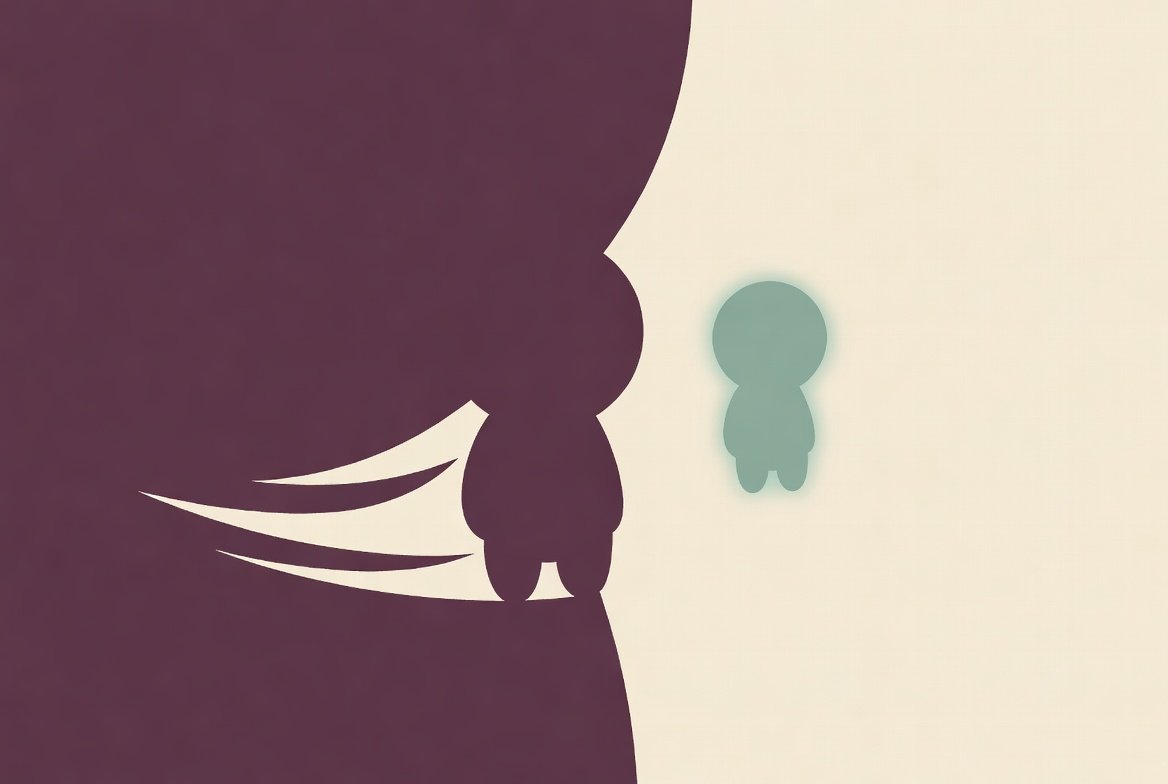
Eventually a lot of people get tired of running — not because they become fearless, but because they become exhausted. They stop, turn around, and actually look. Sometimes what they find is smaller than imagined. Sometimes it’s larger. Sometimes it’s neither — it’s just reality, and reality, while genuinely difficult, is usually easier to navigate than imagination ever was.
Facing something doesn’t automatically mean defeating it. Sometimes it just means acknowledging it — “yes, this happened, yes, I’m afraid, yes, I’m hurt.” Acceptance isn’t surrender. It’s clarity, and clarity tends to be a lot more useful than resistance ever was.
You Can’t Heal What You Refuse to Face
A lot of recovery eventually arrives at this truth: the substance was rarely the deepest problem. Sometimes it was the strategy — the escape route, the emergency exit. Removing that escape often reveals what actually needed attention all along, not because recovery creates new problems, but because it exposes the ones that were already there. Healing tends to begin once reality becomes visible again.
Staying Still Is a Skill Too
People rarely talk about this, but staying is genuinely a skill — sitting with discomfort, uncertainty, emotion, and unanswered questions doesn’t come naturally to most people. It takes practice. The good news is that practice actually works: what feels unbearable today can feel manageable later, not because the discomfort itself changed, but because capacity grew around it.
A common fear here is “what if it never leaves” — what if the sadness, the anxiety, or the regret stays forever. Some experiences genuinely do remain part of a person’s story. But a story and a prison are different things. A thing can exist without controlling your life. A memory can remain without defining you. A scar can stay without continuing to wound.
The Bottom Line
Running is understandable — every human being does some version of it. The goal isn’t feeling ashamed of the distance already traveled. It’s learning to recognize when movement is actually helping and when it’s just hiding. Some seasons genuinely call for motion. Others call for stillness, and recovery often asks for both at different points. A lot of people eventually discover that freedom didn’t show up when they finally outran everything. It showed up the moment they stopped, turned around, and realized they could survive what they’d spent so long being afraid to face.