Introduction
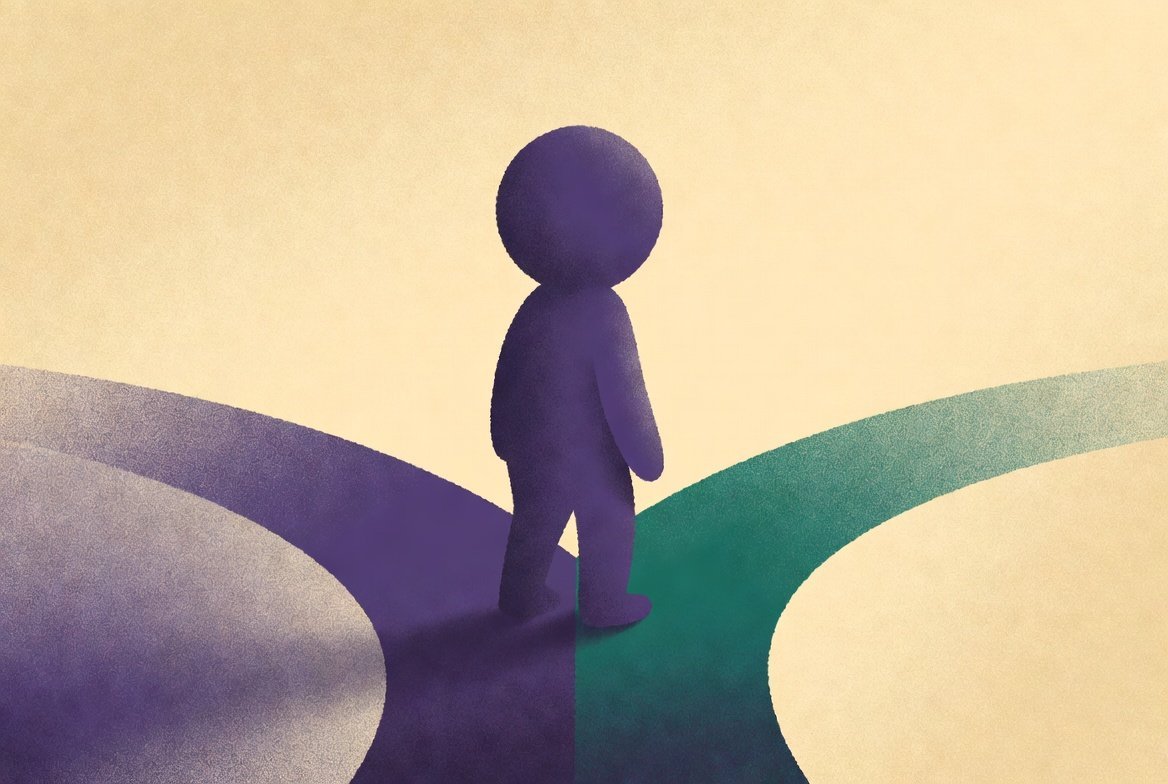
Relapse can feel devastating — and for a lot of people, the worst part isn’t the relapse itself, it’s the story that follows it. “I ruined everything,” “I’m back at square one,” “what’s the point,” “I knew I couldn’t do it” — these thoughts can do more damage than the relapse itself, because a relapse is an event, but surrender is a decision, and the two are not the same thing. What you do right after a relapse usually matters more than the relapse itself.
Stop the Spiral and Take a Breath
A common mistake is assuming that because you slipped, the entire day, week, or month is already lost — “I already messed up, I’ll start again Monday, I’ll get serious after this.” That mindset turns one lapse into ten, one day into thirty. The first goal is simple: don’t let a setback become a surrender.
Emotions tend to run high right after a relapse — shame, fear, anger, panic — and this is exactly the moment to slow things down, not to excuse the behavior, but to think clearly before making any big decisions. Recovery decisions made in the middle of panic are rarely the best ones.
Get Honest, Then Get Curious
Recovery grows in honesty. Addiction grows in secrecy. What actually happened — not the edited version, the real one? What triggered it, what choices led up to it, what warning signs showed up beforehand? The goal isn’t self-punishment. It’s accurate information, because you can’t learn from a story that isn’t true.
A lot of people respond to relapse like a prosecutor, attacking themselves and searching for evidence of failure. Curiosity tends to work a lot better — what were you feeling, what were you trying to escape, what support was missing, what did you overlook? Curiosity creates understanding. Understanding creates real improvement.
Find the Trigger and Reconnect With Your Reasons
Relapses rarely appear out of nowhere — there’s usually a sequence: stress, conflict, loneliness, boredom, fatigue, overconfidence, isolation, exposure to old triggers. Finding where the pattern actually started helps you intervene earlier next time, and recovery tends to improve once people learn to catch the sequence before it fully unfolds.
It also helps to revisit why you started this in the first place — what matters most, what kind of life you’re trying to build. A relapse doesn’t erase those reasons. It might just make them harder to see for a moment.
Reach Out — You Don’t Need a Perfect Explanation
Isolation rarely helps after a relapse. Support almost always does. A trusted friend, a sponsor, a therapist, a support group — sometimes a simple message is enough: “I slipped, I need some support.” Connection interrupts the secrecy and shame that tend to keep the cycle going.
Watch the Identity Statements
After a relapse, people often start making identity statements — “I’m hopeless,” “I’m weak,” “I’m a failure.” These are rarely accurate. A relapse describes an event. It doesn’t define a person. Behavior matters, but identity is bigger than any single behavior, including this one.
One of addiction’s favorite lies is “you’ll start again later.” Recovery doesn’t actually require a perfect day to begin — it can start immediately, right now, with the next decision, the next breath, the next pause. There’s no need to wait for a special date on the calendar.
The Bottom Line
If you’ve relapsed, you’re not alone — plenty of people who now have years of recovery once stood exactly where you’re standing, discouraged and questioning themselves. The important question was never “did I relapse.” It’s “what do I do next.” Recovery isn’t built by never falling. It’s built by getting back up, again and again, for as long as it takes.