Introduction
Cravings can feel overwhelming. One moment everything’s fine, the next a thought appears, then an urge, then real pressure — the mind racing, the body restless, the temptation getting louder. In that moment it can feel like there are only two options: give in, or suffer. There’s actually a third option, and it’s simpler than it sounds: pause. Not forever, not even for an hour — just long enough to create some space between the urge and the action. That space can change everything.
What a Craving Actually Is
A craving isn’t a command, a prediction, or proof that recovery is failing — it’s a temporary experience, a signal, a collection of thoughts and sensations moving through the mind and body. A lot of people accidentally give cravings more power by treating them as emergencies. The first useful move is simply naming it: “I’m experiencing a craving,” not “I must obey this craving.” Those are very different statements, and the gap between them is where choice actually lives.
Slow Down First
Before making any decision, pause — take one slow breath, then another. There’s no need to promise yourself forever or solve the rest of your life in this moment. You only need to interrupt the automatic sequence, because addiction often depends on speed, and slowing things down even slightly takes away a lot of its momentum.
From there, it helps to name what’s actually happening — stress, anxiety, anger, loneliness, boredom, exhaustion? A lot of cravings are emotional signals wearing a disguise, and naming the real feeling underneath often reveals what’s actually going on. It can help to trace it back further too: what happened right before this craving showed up — an argument, bad news, rejection, boredom, a familiar trigger online or in person? The clearer the trigger, the less mysterious the craving becomes.
Delay, Move, and Reach Out
One of the most effective tools available is simple delay — telling yourself you can decide later, not tomorrow, just later. Five minutes, fifteen, thirty. It sounds almost too simple, but delaying genuinely disrupts impulsive behavior, and a lot of cravings lose real intensity when given even a small amount of time.
Cravings also tend to trap people inside their own heads, which is why physical movement helps so much — a walk, a stretch, a glass of water, leaving the room, a shower, going outside. Even a small physical shift can interrupt the momentum building underneath a craving.
And don’t carry it alone if you don’t have to. Calling a trusted friend, texting someone supportive, reaching out to a sponsor or counselor — sometimes just saying “I’m struggling right now” measurably reduces a craving’s grip.
Reconnect With Why It Matters
Cravings tend to shrink your view of the future down to just the present moment. This is the time to deliberately expand it back out — why does recovery actually matter to you? Your family, your health, your goals, your faith, your self-respect, your freedom. Reconnecting with your real reasons can pull the future back into view.
Let the Wave Pass
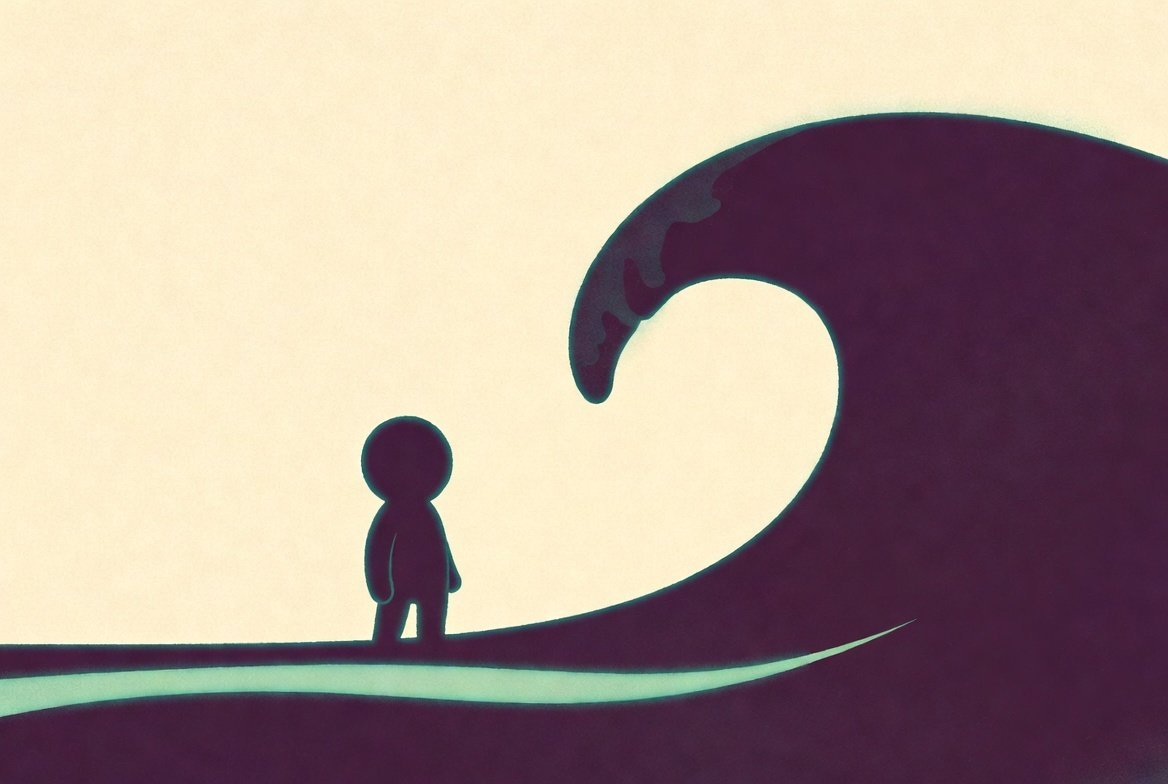
A lot of people imagine cravings as permanent, when they’re really more like waves — they rise, they peak, they fall. You don’t have to defeat the wave. You just have to avoid being carried away by it, and the intensity will shift, even when it doesn’t feel that way in the thick of it.
Sometimes a person works through all of this and still wants to use — that doesn’t mean the process failed. The goal was never instantly eliminating every urge. It’s increasing awareness and creating real opportunities for a different choice. Recovery is measured by your response more than by how you happen to feel in any given moment. And if a slip happens anyway, resist turning one mistake into a full surrender — ask what happened, what you can learn, and what you’ll do differently next time. A hard moment doesn’t erase progress. It just adds information.
The Bottom Line
Cravings are part of recovery. Experiencing one doesn’t mean you’re weak, failing, or doomed to repeat the past — it means you’re human. Every craving is a choice, not a guarantee and not a destiny. You may not control every urge that shows up, but you can learn to control how you respond to it. One craving, one pause, one decision at a time.