Introduction
Recovery usually begins with a practical question: how do I stop? After some time, a different question tends to show up: who am I without this? That question can feel surprisingly uncomfortable, because addiction is rarely just something a person does — it can get woven into routines, relationships, coping strategies, even self-image. When the behavior starts to disappear, it can leave an unexpected emptiness behind. Recovery isn’t only about removing something from your life. It’s also about discovering what actually belongs in the space that’s left.
When Addiction Becomes More Than a Behavior
Most addictions start because of what they provide — relief, comfort, connection, control. Over time, the addiction often takes on additional roles too: a daily routine, a stress-management tool, a social activity, a way to avoid difficult emotions, a familiar companion during loneliness. Eventually it becomes hard to imagine life without it — not because anyone loves the consequences, but because they’ve genuinely forgotten what life feels like without the pattern running underneath everything.
The In-Between Stage
An identity gap shows up when an old version of yourself starts disappearing before a new one has fully formed — the same kind of transition that happens after leaving a career, ending a relationship, or becoming a parent. The old identity no longer fits. The new one is still under construction, and that in-between stage can feel confusing. A lot of people mistake the confusion for failure, when it’s really just part of growth.
Underneath that is often a quieter fear: will I still be fun, will I still fit in, will I still feel like myself? Those fears make sense — when a behavior has been around for years, it gets genuinely hard to separate the person from the pattern. But addiction was never the same thing as identity. You’re larger than your coping mechanisms, larger than your worst moments, and larger than your addiction.
What Was the Addiction Actually Giving You?
One of the most useful questions here isn’t “why am I weak” or “why am I broken” — it’s “what need was being met?” Stress relief, connection, confidence, escape, comfort, routine — understanding the actual function the addiction served tells you exactly what needs to be rebuilt. The goal was never simply removing something. It’s replacing it with something healthier.
The Discomfort of the Empty Space
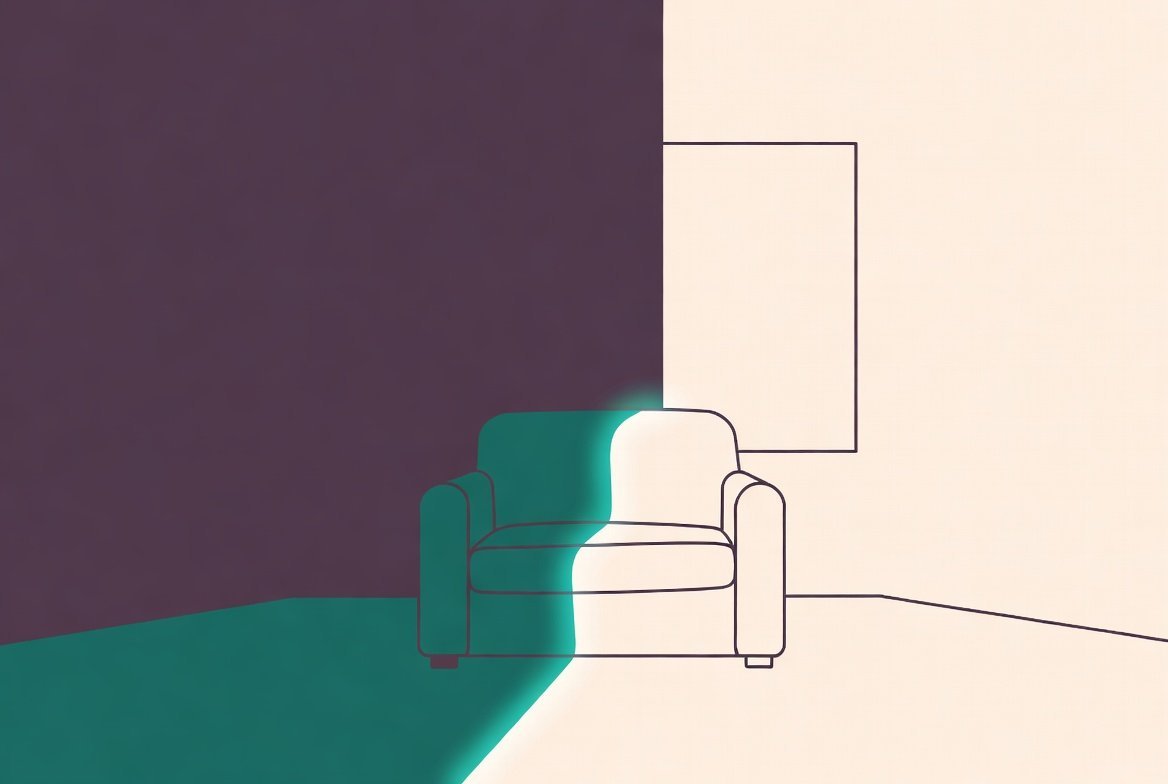
One reason recovery feels uncomfortable is that it creates real space — in your schedule, your thoughts, your emotions, your relationships. At first that space can feel empty rather than freeing. The old distractions are gone, the old routines are gone, and for a while it can feel like standing in an unfinished room: the walls are there, the furniture isn’t yet.
As recovery progresses, a lot of people rediscover interests that got buried — exercise, art, music, reading, faith, nature, relationships, creativity. Some reconnect with old passions. Others find entirely new ones. The process often feels less like inventing a new person and more like uncovering someone who’d just been buried for a while.
You Don’t Need All the Answers Right Now
A common mistake is believing a complete new identity has to appear immediately. It rarely works that way — most people discover who they are through actually living: trying things, exploring, making mistakes, learning. Identity isn’t usually found all at once. It’s built piece by piece, choice by choice, day by day.
Recovery also tends to shift decisions away from what addiction demands and toward what you genuinely value — what matters to you, what kind of person you want to become, what your life should actually stand for. Those questions don’t always have immediate answers. Asking them anyway moves recovery beyond simple abstinence into something closer to becoming.
The Bottom Line
If recovery has left you uncertain about who you are, you’re far from alone — a lot of people reach a point where the addiction no longer feels like the answer, but the future isn’t fully clear yet either. That space can feel uncomfortable. It’s also full of real possibility. You don’t need to reinvent yourself overnight or have a perfect blueprint — just a willingness to keep exploring. The person you become in recovery usually isn’t someone entirely new. More often, it’s the person who was there all along, finally given enough room to show up.