Introduction
A lot of people picture quitting drugs as the exact moment life starts improving — the substance is gone, the decision’s been made, the damage stops, everything should get better. Then something unexpected happens: instead of feeling amazing, a lot of people feel terrible — exhausted, irritable, depressed, emotionally numb — and start wondering if they made a mistake, or why quitting is supposed to help when it feels worse than before. This has a name: the post-quit crash, and understanding what’s actually happening makes this stage a lot less frightening.
The Gap Between What You Expect and What Happens
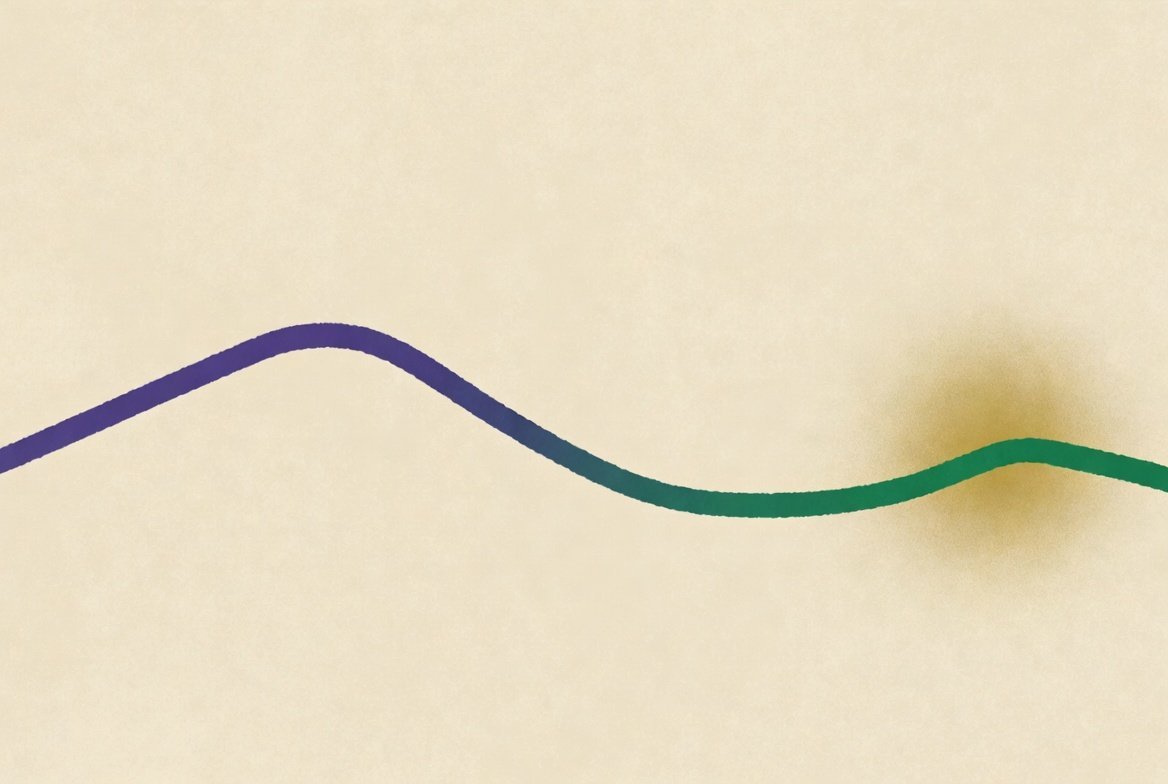
One of the biggest challenges in early recovery is the gap between expectation and reality — people expect immediate improvement, while the body and brain usually run on a different timeline. The substance may leave the system fairly quickly. Recovery doesn’t move at that same pace, and that mismatch can feel deeply confusing: you did the healthy thing, and you still feel unhealthy, at least for a while.
Your brain is remarkably adaptable — when a substance repeatedly changes mood, energy, or stress levels, the brain adjusts to compensate, and those adjustments become the new normal over time. Once the substance disappears, the brain has to adjust again, and that transition can feel uncomfortable. Not because recovery is failing. Because recovery is actually happening.
Relief Disappears Before Healing Arrives
A lot of substances create immediate changes in how someone feels — stress drops, energy rises, pain fades. The moment the substance is removed, that relief disappears immediately, but the healing process doesn’t move in at the same speed. There’s a real gap in between: the old solution is gone, the new balance hasn’t arrived yet, and a lot of the post-quit crash happens right inside that gap.
The brain’s reward system needs real time too — activities that once felt enjoyable can seem flat, food less satisfying, music less exciting, motivation distant. That can feel like proof recovery isn’t working. More often, it’s evidence the brain is recalibrating after a long stretch of relying on something far more intense than anything natural.
Fatigue and Emotional Rebound
A lot of people expect more energy after quitting and instead feel exhausted — the body’s been under strain, the brain’s been adapting, sleep patterns may be disrupted, stress systems still recovering. Fatigue here isn’t a sign of weakness. Sometimes it’s simply a sign that healing requires real energy to do its work.
Substances often suppress or distort emotions, so once they’re removed, feelings tend to become a lot more noticeable — sadness, anxiety, irritability, restlessness, loneliness. These emotions usually aren’t new. They were probably being numbed or avoided before, and now they’re simply more visible than they used to be.
When Disappointment Becomes Dangerous
This is uncomfortable to admit, but important: a lot of people secretly expect recovery to feel rewarding right away, and when they encounter discomfort instead, that disappointment can become genuinely dangerous — “if this is recovery, why bother.” Understanding the post-quit crash directly answers that question: the early discomfort tends to be temporary, while the long-term benefits are still developing underneath it.
Knowing it’s temporary doesn’t automatically make it easy — the crash itself can genuinely involve real struggles with motivation, sleep, mood, and energy. But understanding it does make it easier to make sense of, and understanding usually reduces fear. This is also exactly the stage where a lot of relapses happen — not because people stop wanting recovery, but because they want relief, and the brain remembers what used to provide it. Recognizing that pull for what it is — temporary discomfort, not permanent suffering — matters a great deal here.
Recovery Often Happens Quietly
One frustrating part of healing is that it’s often hard to notice day-to-day — progress happens without obvious signs, until one day you realize you laughed more easily, slept better, handled stress differently, or actually enjoyed something again. The change happened gradually. Recovery frequently works exactly this way.
The Bottom Line
Feeling awful after stopping drugs doesn’t necessarily mean you’re doing recovery wrong — you may be experiencing something a lot of people encounter as the body adjusts and the brain adapts. The discomfort is real. The progress underneath it can be real too. Give yourself permission to heal at the pace healing actually requires.