We've all been there — let's help each other understand why, together.
Every post here starts with something somebody actually went through. We write it straight, we don't talk down to you, and we let ourselves be a little funny about it sometimes — because nonstop seriousness helps nobody.

All My Friends Get High. Who Do I Socialize With in Sobriety?
You are being asked to give up your entire social world and told it's for the best. That's a real loss, and there's a real answer.

Am I a Hypocrite for Using Drugs While Telling Someone Else Not To?
Probably. And the advice may still have been correct, and giving it may still have been the right thing to do.

Am I Doing the Drugs That I Think I Am?
Almost certainly not, and the answer changes month to month. This is the article to read before the next time.

Am I Ever Obligated to Tell Someone About My Addiction?
Yes, in a small number of specific situations — and the list is much shorter than guilt suggests.

As Soon as I Started Making Real Progress, I Self-Sabotaged
Success is a high-risk state, and almost nobody plans for it.

Being California Sober
There is now actual evidence, it's more interesting than either side expected, and it doesn't settle the argument.

Being My Own Worst Enemy
Harsh self-talk feels like accountability, but the research on shame and recovery suggests it usually works against the exact outcome it's aiming for.

Being Wary of Other Recovering Addicts Because They Might Be Triggering
This is a legitimate concern that is also, quite often, a sophisticated excuse. Both things are true and you have to tell them apart.

Brain Fog, Memory Problems, and Slow Thinking After Quitting Drugs
Most people brace for a fight with cravings when they get sober.
Can God Still Love Me If I Keep Failing?
This question rarely comes up in the abstract.

Can You Be Addicted to Something That Isn’t a Drug?
Say the word addiction and most people picture a substance — alcohol, opioids, meth.
Can You Be Addicted Without Using Every Day?
Most people picture addiction as constant, daily use — which is exactly why so many people talk themselves out of the label.

Can't Focus Until I Scratch the Itch
There's a reason a craving can make it feel physically impossible to think about anything else — and it isn't a lack of discipline.
Coping Anchors
Most people spend years trying to understand their addiction — the substance, the cravings, the relapses, the consequences.

Dealing With Feeling Unfairly Perceived and Judged Because of My Addiction
Being misjudged is one thing. What the resentment does to you afterward is a separate problem, and it's the one you can actually address.

Desires Change Under the Influence
What you want, value, and promise while intoxicated isn't a clear window into your true self — it's a narrower one than it feels like.

Difficulty Making New Friends and Socializing After Sobriety
Making friends as a sober adult is a genuine skill, most people are bad at it, and yours got interrupted mid-development.

Do I Really Want This? Or Is It Just Because It's Available?
Sometimes the pull isn't about desire at all — it's about proximity, and the two feel identical in the moment.

Doctors and Therapists Treat Everything I Say Like It's Crazy Just Because They Found Out That I Use
This has a name, it's a recognized patient safety problem, and it has killed people. You are not imagining it.

Drug Abuse and Self-Respect: How Do I Get It Back?
Self-respect, unlike self-esteem, is earned — which sounds harsh and is actually the good news.

Drugs — A Friend Got Me Into It. Who's to Blame?
They did something. You are still the only person who can do anything about it. Both facts survive the other.

Drugs and Peer Pressure
Almost nobody is actually pressured. That's what makes it work.

Drugs Were My Crutch. Now I Struggle to Stand on My Own.
The crutch metaphor is more accurate than most people intend — including the part about what happens to a leg that hasn't borne weight in years.

If You Find Yourself Once Again Stumbling Into the Darkness, Remember That You Can Emerge With a Lantern Each Time
What to do with the wreckage afterward — and the one thing that must never be done with it beforehand.

"Every Slip Is a Learning Opportunity."
Half true, and the false half is the half that kills people. Here is how to tell which half you're holding.

Explaining My Past in New Relationships
Not a confession, not a secret. A third option, with better timing.
Fear Anchors
When people think about addiction, they usually focus on cravings, habits, and substances.

Feeling Alone or Abandoned. Not Having Support From Anyone Around Me.
Some of this isolation was done to you. Some of it you built. Telling them apart is what makes it workable.

Feeling Isolated, but Afraid to Meet Others in Recovery
The thing that would help is the thing you can't make yourself do. That's not weakness — it's a specific and solvable problem.

Feeling Pulled in Two Directions
Wanting to stay clean and wanting to use, at the exact same time, isn't a sign recovery is failing — it's closer to the normal condition of it.

I'm Finding New Ways to Occupy Myself in Recovery
Good. Here's how to make sure the thing you've found holds up on a bad week rather than only a good one.

First Time Going to Rehab: What to Expect
Mostly it's boring. Here is the honest, unglamorous account of what actually happens.

"Fix Yourself Before You Try and Fix Others."
It sounds like wisdom. The evidence suggests it has the sequence backwards.

Forgiving Myself for Past Mistakes
It isn't a decision, which is why you've failed to make it. Here's what it actually is.

Friends and Family Cut Me Off After I Confided in Them
You handed someone the truth and they left. That is a specific injury, and it deserves to be named before it's explained away.

From Casual Use to Using Every Day: What I Never Expected
Nobody crosses a line. That's the part nobody warns you about.

Functioning Addicts
"Still functioning" is one of the most common, and most misleading, ways people measure whether their use has become a real problem.

Giving Up Things That Were Only Fun While High
Some of it was the drug. Some of it was you. Sorting them takes longer than anyone tells you.

Going to Rehab Would Turn My Life Upside Down
The practical objections are real. Most of them have answers, and several rest on assumptions nobody ever checked.

Having to Distance Myself From Friends Who Use
Stepping back from people you care about isn't betrayal — it's one of the most consistently recommended strategies in early recovery.

Hiding My Pain and Emotions
The concealment was a skill before it was a problem. It's worth understanding what it cost and what it was protecting.

Hitting the Threshold When the High Loses Its High
Needing more to feel less isn't a sign you're doing something wrong — it's one of the most well-documented patterns in addiction science.

How Are Drugs Affecting My Health?
A systems-level answer, and the specific tests to ask for — because most of this is invisible until it isn't.
How Do I Build a Life I Don’t Want to Escape From?
Most people enter recovery thinking the goal is simply to stop using a substance or behavior.
How Do I Find Purpose Again?
One of the more surprising parts of recovery is that removing addiction doesn’t automatically hand you a sense of purpose.
How Do I Pay for Treatment If I Don't Have Insurance?
Money is one of the biggest reasons people put off getting help, and the fear is understandable — treatment has a reputation for costing a small fortune.

How Do I Pray When I Feel Ashamed?
Prayer comes easily for a lot of people when life is going well.
How Do I Rebuild Trust After Addiction?
One of the harder realities of recovery is that quitting doesn’t automatically repair the damage that came before it.
How Does Addiction Change the Brain?
A lot of people struggling with addiction ask the same question: if I know this is hurting me, why do I still want it?
How Long Do Cravings Last?
One of the most common questions in recovery is also one of the most important: how long do cravings last?
How Long Do Nicotine Cravings Last?
One of the biggest fears people have when quitting nicotine is simple: how long is this actually going to last?

How Long Does Post-Acute Withdrawal Syndrome Actually Last?
A common question in recovery shows up once the acute withdrawal has clearly passed, but fatigue, anxiety, brain fog, and low motivation are still hanging around.
How Long Does Recovery Take?
The risk does not stay elevated forever. There is a point at which it levels off, and it has been measured.

How Long Will It Take for My Body to Recover?
An honest answer: it depends enormously, some of it is faster than expected, and some things don't fully return.

How Long Will It Take for My Brain to Recover?
The imaging research is genuinely encouraging, with one important asterisk that rarely gets mentioned.

How Many Chances Should I Give?
There is no number. But there is a better question, and there is data that will surprise you.

How Many Chances Should We Expect?
The honest statistics on how many attempts recovery actually takes — including the number nobody quotes.

How to Apologize for My Behavior Under the Influence
An apology is a sentence. What it costs, what it can't do, and why repetition destroys it.

How to Deal With Loss of Appetite and Physical Changes
Your body's signals get scrambled during use and take time to come back — here's what's actually happening and what helps.

How to Deal With People's Stereotypes When They Find Out I'm an Addict or in Recovery
The stigma is measurable, it's worse than you probably assume, and knowing its actual shape is what makes it manageable.

How to Measure Progress as a Recovering Drug Addict?
Counting days measures one thing and misses almost everything. Here is what to count instead.

How to Regain or Rebuild Trust
Trust isn't granted by decision. It's a prediction people update with evidence, which means the mechanism is slower and more within your control than it feels.
How to Restart Without Drowning in Shame
A lot of people think the hardest part of recovery is stopping.
How to Support Someone Without Enabling Them
Loving someone who struggles with addiction can be heartbreaking.

I Can No Longer Get Erect After Heavy Drug Use
This is common, it has specific physical causes, most of it improves — and there's a medical reason to get it checked beyond the obvious one.

I Didn't Believe I Could Get Addicted. Now I'm High All the Time.
The belief was nearly universal, it wasn't stupid, and it wasn't the mistake you think it was.

I Don't Know What to Expect
A rough map of the territory, with the honest caveat that everyone's terrain differs.

I Don't Recognize Myself Anymore Without the Drugs
The stranger in the mirror is a real experience with a real explanation — and it's a stage, not a destination.

I Don't Want to Give Up Drugs Completely. How Do I Develop Self-Control?
Moderation is a legitimate clinical goal for some people. Here is the honest account of when it works, when it doesn't, and what actually helps.

I Don't Want to Leave My Partner Behind. I'm Sober, but My Partner Doesn't Want to Quit.
Nobody can tell you to leave. But some things are true regardless of what you decide.

I Don't Want to Lose My Job
The fear of losing work keeps a lot of people from getting help — but the math on that calculation is usually backwards.

I Don't Want to Quit. I Want Self-Control.
Is controlled use actually possible? The evidence is less one-sided than either camp claims — and the harder question is what the wish is doing.

I Feel Trapped as a Role Model
Being someone's proof that recovery works is a job you never applied for, and it can quietly become dangerous.

I Feel Unworthy of New Opportunities Because of My Past Drug Use
Worthiness is not a prerequisite for anything, and waiting to feel it is how people talk themselves out of their own recovery.

I Get Clean, Rebuild, and Then Collapse Over and Over Again
If the collapse keeps arriving at the same point in the cycle, that's not bad luck. That's a pattern with a location.

I Got Sober and Hated It. What Do I Do?
Nobody warned you that the reward for doing the hard thing would be feeling worse. Here's why, and what to check.

I Just Want to Feel Safe for Once
Safety is not a mood. Before it can be a feeling, it usually has to be a fact.

I Like What Drugs Do for Me. Why Should I Stop?
A fair question, asked in bad faith by most of the people who answer it. Here's an attempt at good faith.

I Need the Drug to Function
You may be right, and there are three very different reasons you might be — and they need completely different responses.
I Quit Using But Now I Can’t Feel Anything: Living With Anhedonia in Recovery
A lot of people brace for cravings, urges, and temptation when they get sober.

I Relapsed, but I'm Afraid to Tell Anyone or Talk About It
The silence is the dangerous part, not the slip. Here's how to break it, and what to do if it goes badly.

I Shot Up for the First Time, and Now I Feel Like I Can't Stop
Something changed, and you were right to notice. Here is what happened and what to do in the next few days.

I Stay Clean, But Then I Relapse With Stress
Stress is one of the most consistent, most well-documented relapse triggers there is — which means this pattern isn't a personal failing.

I Use Drugs to Deal With Anxiety
It works. That's the problem — and the mechanism guarantees the anxiety gets worse.

I Want to Go to Rehab, but I'm Not Sure If My Insurance Will Cover It
Two federal laws are on your side, most people don't know they exist, and denials can be challenged.

I Wish My Boyfriend or Girlfriend Would Just Admit to Me That They're Using
The admission you're waiting for wouldn't do what you think it would.
Identity Anchors
Recovery is usually framed as a behavior problem, and it is one — but behavior is often tangled up with something deeper: identity.

If I Just Slip Once in a While, Is That Okay?
This question has two very different versions, and which one you're asking changes everything about the answer.

If I'm Able to Use Responsibly, Do I Really Have Anything to Be Worried About?
A fair question that deserves a fair answer — including the parts that don't confirm what you're hoping to hear.

If My Drug Use Isn't Affecting My Life Negatively, Should I Continue to Keep It a Secret?
The two halves of that sentence are in tension, and the tension is the whole answer.

I'm Afraid That I'll Get Sober and Still Be Miserable Anyway
The fear deserves an honest answer, including the part where you're partly right.

I'm High More Often Than I Am Sober
When intoxication becomes the baseline and sobriety becomes the exception, something has quietly inverted — and noticing it is worth more than it feels like.

I'm Overwhelmed by the Return of Emotions After Stopping My Drug Use
The flood is real, it has a name in the research, and the skill you're missing was never taught to you.

I'm Unable to Feel Happy Without Using My Substance
This is a measurable, temporary state with a name — and it is the single most common reason people go back.

I'm Worried About My Drug Tests
The fear itself is worth examining — it's often carrying information you already have but haven't wanted to look at directly.

I'm Worried My Partner Will Leave Me If I Come Out to Them
This fear is specific, it's often reasonable, and it deserves a more honest answer than blanket reassurance.

I'm Worried That if I Seek Help, I'll Be Exposed, and It Could Ruin My Life
There is a federal law built specifically for this fear. It has real teeth and real limits, and most people have never heard of it.

In What Ways Does This Change Me?
Not the big existential question of who you are — a plainer, more useful inventory of what's actually shifted.

Is Addiction a Disease, a Habit, or a Choice?
Ask ten people whether addiction is a disease, a habit, or a choice, and you’ll probably get ten different answers — some insisting it’s a disease, others arguing it’s a series of choices, still others calling it a powerful habit that’s grown out of control.

Is Addiction Spiritual, Psychological, or Both?
Ask people to explain addiction and you’ll get very different answers — a disease of the brain, a result of trauma and coping skills, a spiritual struggle, or some mix of all three.

Is Distancing Yourself From Someone Who's Using Abandonment?
It can be. It usually isn't. The difference is in what you do with the distance.

Is It Normal to Feel Worse in Early Sobriety? The Truth About Post-Acute Withdrawal Syndrome (PAWS)
One of the more surprising experiences in recovery shows up after the substance is gone and the worst withdrawal symptoms have already faded — and you still feel worse than expected.

Is It the Drug, or Am I the Issue?
The question assumes a fork that doesn't exist — and the thing you're afraid you have has never been found.

I Feel Cornered. Someone I Know Refuses to Get Help. Is It Wrong to Tell Their Family?
Sometimes. The question turns on danger, on what you'll actually achieve, and on what you're really trying to put down.

Is Rehab Necessary? I Got Sober Without It.
No, it isn't necessary — and the research on this is stronger than either side of the argument usually admits.
Is Relapse a Sign or a Lesson?
Few experiences in recovery carry more weight than relapse.
Is There a Difference Between Guilt and Conviction?
A lot of people in recovery carry a heavy emotional weight — mistakes, broken promises, people they’ve hurt, versions of themselves they wish they could go back and change.

Is This Really Who I Am?
A lot of louder recovery questions are sitting on top of one quiet, harder one.
Is Vaping More Addictive Than Cigarettes?
A lot of people switch from cigarettes to vaping expecting it to be easier — easier on the lungs, the wallet, easier to quit eventually.

It's Only One Specific Drug That's the Problem
Sometimes true. Often the beginning of a substitution. The difference is worth working out before you test it.

I've Been Curious to Try Harder Drugs
Curiosity is not a character flaw. It is also, right now, being aimed at a supply that has changed.

Keeping It a Secret From My Family and Friends
The secret has its own weight, separate from the thing it's hiding — and that weight is doing more damage than most people realize.

Learning How to Cope Without Drugs
The substance wasn't a coping strategy. It was a replacement for having one, and now you're a beginner.

Learning to Enjoy Sex Without Drugs
For a lot of people, substances and intimacy got fused together so early that separating them can feel like starting over completely.
Lifestyle Anchors
When people think about recovery, they usually focus on the addiction itself — the substance, the cravings, the relapses.

Lots of Successful People Use Drugs Recreationally
True. And the reasoning built on top of it has a hole in it that's worth seeing clearly.

Loving Myself Again
Not a feeling you can summon. A relationship you rebuild the same way you'd rebuild any other you damaged.

Maybe I'll Be Able to Control It This Time
This is one of the most convincing thoughts addiction produces — and one of the most dangerous, precisely because it doesn't sound reckless.

Mixing or Using Different Substances at the Same Time
Combining substances isn't just individually risky twice over — the danger multiplies in ways that catch even experienced users off guard.

My Addiction Is Destroying My Relationships
The damage is usually more specific than "everything is ruined" — and specificity is what makes any of it repairable.

My Addiction Is the Only Coping Mechanism I Have for the Traumas I Carry
You may be right. And the advice you've been given about the order of operations is probably wrong.

My Friends and Family Will Never Understand
They probably won't, actually. The question is what you do with a relationship that survives the gap.

My Last Rehab Experience Was Awful. Should I Try Again?
Some of what made it awful was wrong. Some of it was the treatment working. Telling them apart is the whole task.

My Libido's Gone. Will I Be Able to Enjoy Sex Again?
One of the most common recovery side effects is also one of the least talked about.

My Physician Doesn't Get It
They may not have been taught. The gap in medical training on addiction is larger than almost any patient realizes.

My Reputation Is Permanently Destroyed. I Feel Like There's No Going Back.
Some of it is gone. Most of it matters less than you think. And the word "permanently" is doing more work than it can support.

My Sex Addiction Is Tied to My Drug Addiction
The diagnostic picture here is more contested than you've been told — and the distinction changes what you should do.

My Therapist Doesn't Understand
The relationship measurably matters — and less than you've been told, for people with addictions specifically.

No One Really Understands What I'm Going Through
Partly true, and it's also the most useful belief the addiction has left you with.

Not Knowing When to Stop
"Just one" often doesn't stay "just one" for a specific, well-studied reason that has nothing to do with weak willpower.

Not Sure How to Rebuild My Life After Addiction
The hours are handled. This is the larger question underneath them: what the life is actually for.

Not Sure Who to Trust When It Comes to My Addiction
Your judgment about people took real damage. Here's how to make the call anyway.

Now That I'm Sober, the Shame of My Past Still Haunts Me
Sobriety removed the substance and left the memories, at full volume, with nothing between you and them.

Old Identity Anchors: Letting Go of Who You Used to Be
Missing who you were while using is more common, and more complicated, than most people admit out loud.

Drug Addiction: I Feel Like I'm Always Taking One Step Forward and Two Steps Back
The arithmetic is wrong, and the feeling that produces it is a symptom worth taking seriously.
People Anchors
Addiction usually gets framed around substances, behaviors, and cravings — but a lot of it is also about people.

People Keep Bringing Up My Past, Regardless of How Far I've Come
Sometimes it's fear. Sometimes it's a weapon. The response depends entirely on which one you're dealing with.

People Only See the Surface Layer
You are being flattened into a single fact. Some of that is them. Some of it is the surface you've been maintaining.

Putting Myself in a Financial Hole Because of My Addiction
Money problems and addiction feed each other in a specific loop — and the shame around the number is often the thing keeping it running.

Rationalizing Behaviors While Under the Influence
The specific tricks the mind uses to make using feel justified are well documented, well studied, and easier to catch once you know their shape.
Recovery Anchors: What Keeps You Steady When the Storm Returns?
Recovery isn’t usually tested on the easy days — it’s tested on the stressful, lonely, exhausting ones, when old patterns suddenly start looking appealing again.

Rehab 101
A guide to the levels of care, how programs differ, and the warning signs of an industry with a documented fraud problem.

Reintegrating and Resisting the Urge in the Same Environments
You can't avoid your own home, job, or neighborhood forever — here's what actually happens to cue-triggered urges when you keep showing up sober instead.

The Right and Wrong Ways of Speaking Up About Someone Else's Drug Use, or Your Own
How you say it determines whether it's heard. There is evidence about this, and most people do the opposite.

Risky Sexual Behavior While High
The mechanism is well understood, the consequences are addressable, and the shame afterward is the least useful part.

Setting Boundaries, Priorities, and Responsibilities
Early recovery often means rebuilding a skill a lot of people never got much practice at in the first place.

Setting Recovery Expectations
Most people don't quit because it's hard. They quit because it's different from what they were told.
Shame Anchors
Not every anchor pulls you toward safety — some pull you toward familiar pain, keeping you attached to old identities, old mistakes, old wounds.

Should I Go Cold Turkey or Wean Myself Off?
For some substances this is a matter of preference. For two of them, getting it wrong can kill you.

I'm Sober Now. Should I Never Bring Up My Past, or Deny It If I'm Asked?
There's a third option between volunteering everything and lying, and it's the one almost nobody uses.

A Coworker of Mine Does His Job Really Well. Should I Still Report His Drug Use?
The question you're actually asking is whether anyone is at risk. Everything else follows from that.

Sleep Issues, Nightmares, and Restless Nights That Won’t Go Away in Recovery
A lot of people brace for recovery to be hardest during the day — cravings, triggers, stress.

Someone I Love Is Using, but I'm Scared to Confront Them About It
Good news: the evidence says don't confront them. There's something that works considerably better.

Struggling to Find a New Lifestyle After Sobriety
Addiction was a full-time occupation with a built-in schedule. What replaces it is a genuine logistical problem before it's a spiritual one.

Sudden Urges Out of Nowhere
An urge that seems to come from nowhere almost always has a cue behind it — you just haven't spotted it yet.

Telling the Truth About My Addiction Cost Me Everything
You did the thing you were told to do and it went badly. That deserves acknowledgment before it gets advice.

The Guilt of Disappointing Loved Ones
Guilt is the useful one. Make sure that's what you're actually carrying.

The People I Live With Actively Use. What Should I Do?
This is the hardest environment problem in recovery, and most advice assumes you have options you don't have.

The Risk You Take Each Time
Getting away with it before doesn't make it safer next time — each instance carries its own independent risk, for reasons that are easy to overlook.

The Things That I Miss About My Addiction
Admitting what you miss isn't disloyalty to your recovery. Refusing to admit it is what makes it dangerous.

The Void That the Drugs Were Filling
What was underneath? The honest answer is that sometimes there's something, sometimes there isn't, and both are worth knowing.

They Thought I Was Somebody Else
Two people are grieving in this situation, and only one of them is you.

Using Foresight from Past Experience
Your own history is a better predictor of your risk than any generic warning sign list could be.
What Actually Happens in Rehab?
Most of what people think they know about rehab comes from movies — a dramatic intervention, a montage of someone shaking through detox, a group therapy scene with a lot of crying and not much else.
What Am I Really Trying to Escape?
A lot of people assume addiction is about chasing pleasure — a high, a rush, a good feeling.
What Are Addiction Triggers?
Cravings can seem to appear out of nowhere — one moment everything’s fine, the next moment the desire to use shows up without warning.
What Are the Different Types of Addiction?
Hear the word addiction and most people think drugs or alcohol.
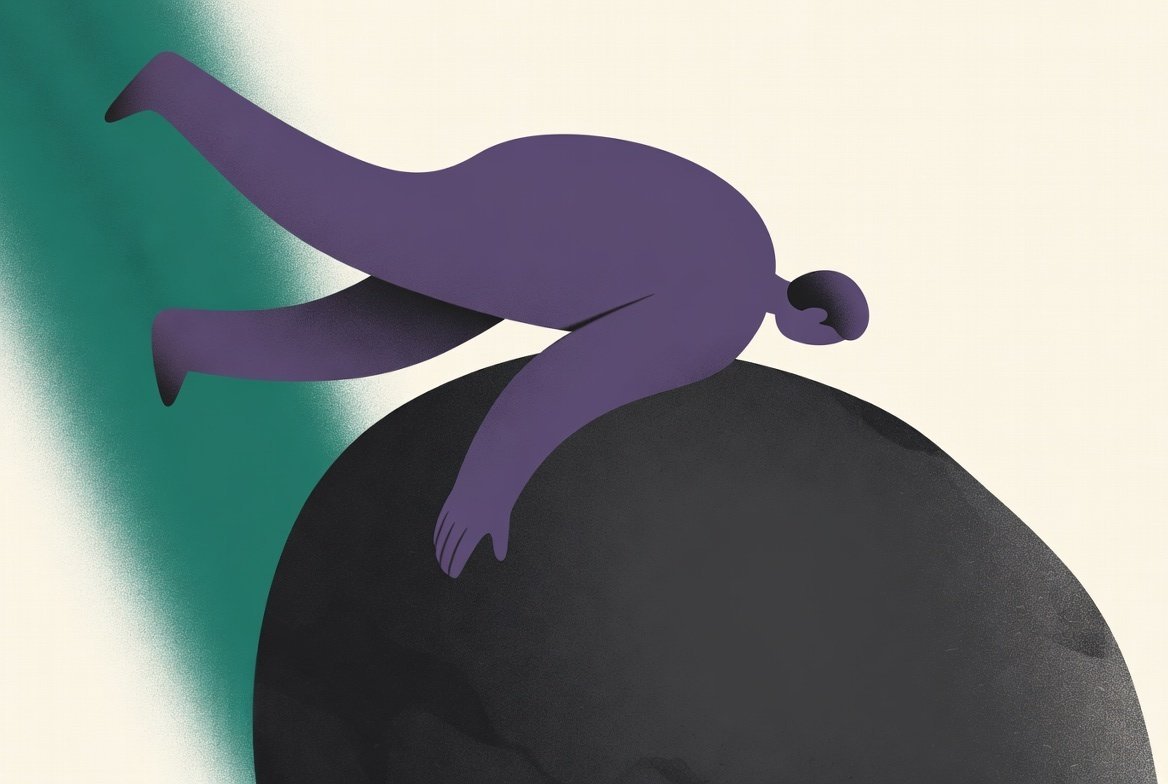
What Does Forgiveness Look Like After Addiction?
Few words get used more often and understood less clearly than forgiveness.
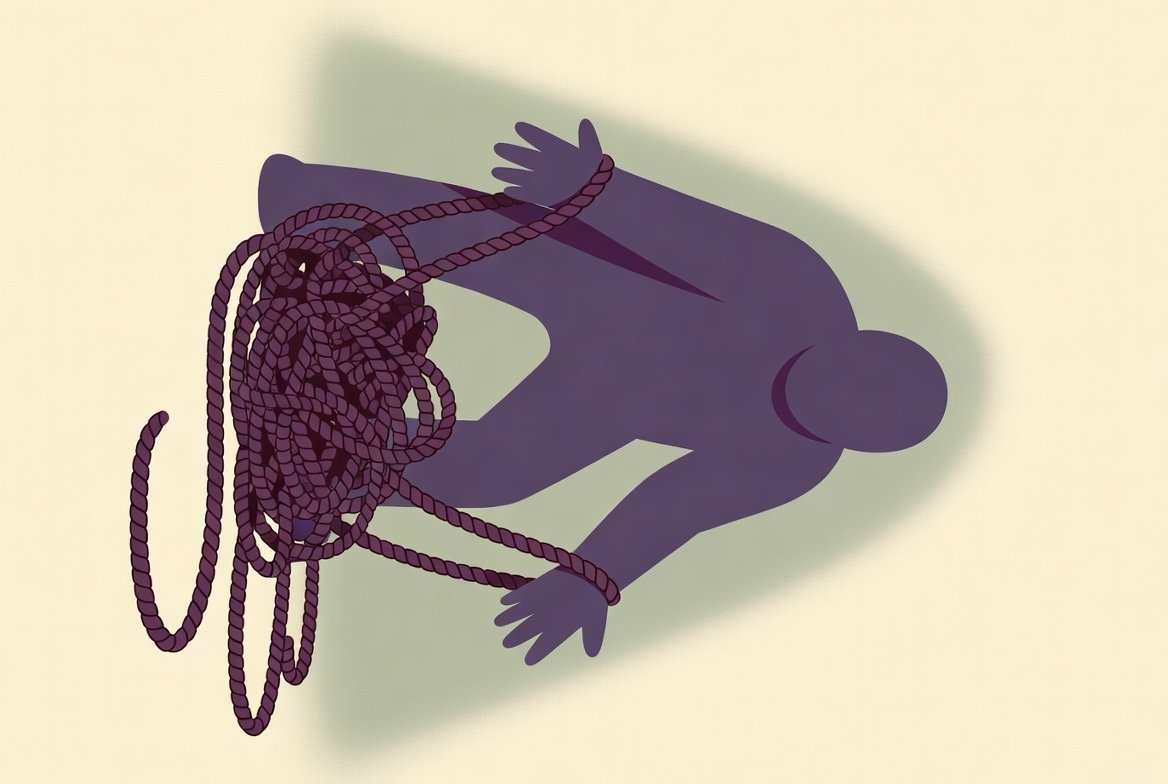
What Does Surrender Mean in Recovery?
Few words in recovery create more confusion than surrender.
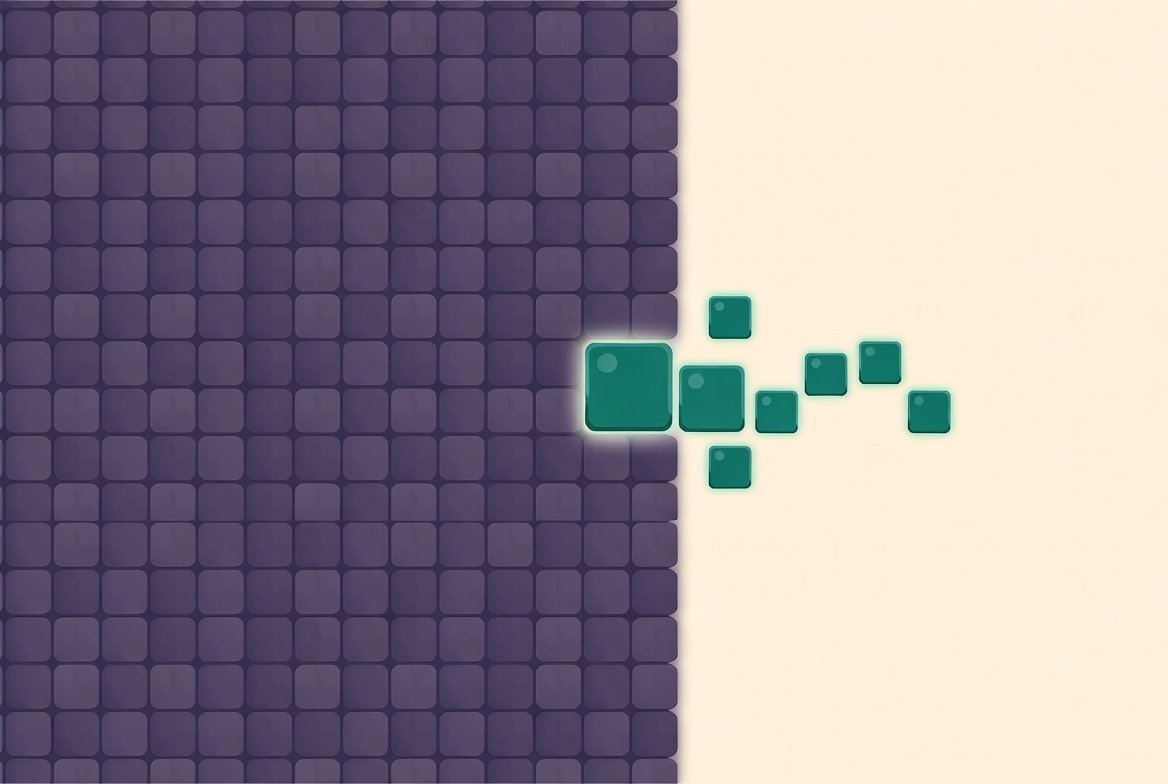
What Happens After Rehab? The Part Nobody Talks About
Everyone talks about getting into treatment.
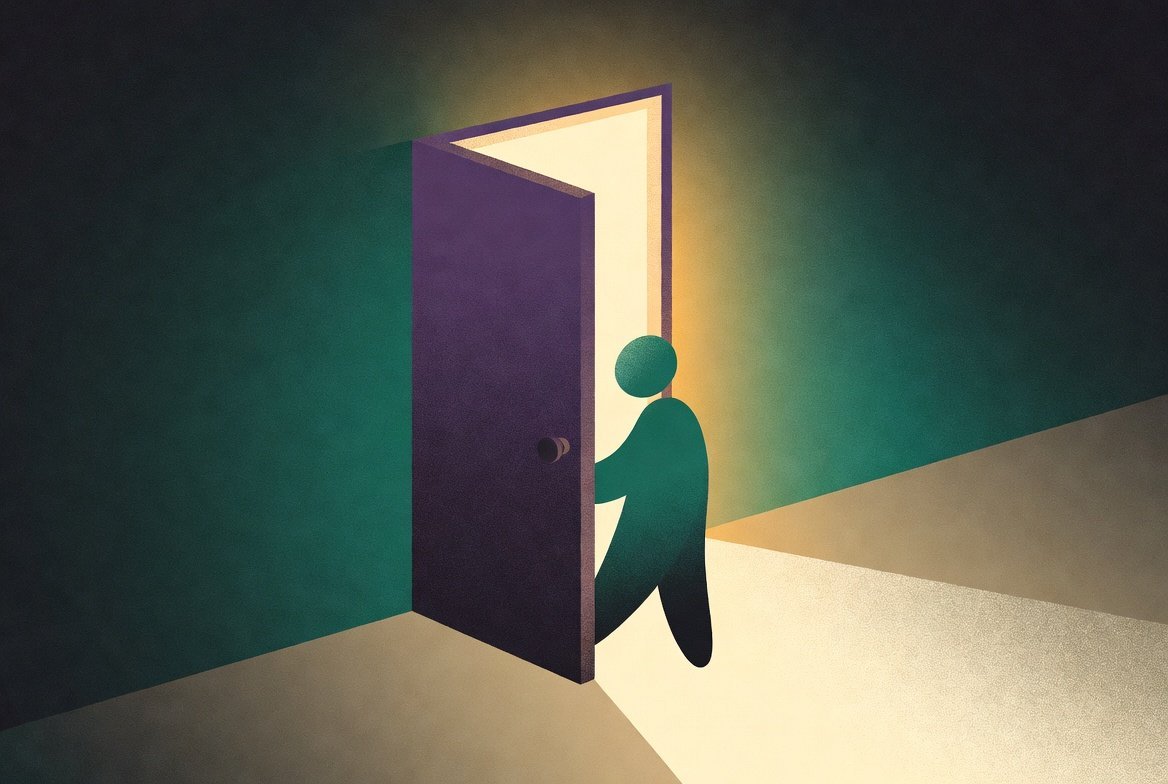
What Happens If I'm Court-Ordered Into Treatment?
Being told you have to go to treatment instead of choosing to hits differently.
What Happens When You Stop Running?
A lot of people in recovery spend years convinced the problem was whatever felt like it was chasing them — stress, fear, regret, shame, loneliness.

What If I Feel Happy With My Addiction, Even If Others Don't?
A serious question that usually gets a sermon. Here's an attempt at an actual answer.

Hard Drugs — What if I Just Switched to Pot / Weed / Marijuana?
The perception that this works runs well ahead of the evidence that it does. Here is the difference, and why it matters more than usual.

What If My Addiction Has Become a Major Part of Who I Am?
It probably has. The question is whether it's a chapter, a lens, or the whole book.

What If the Changes I'm Hoping to See Don't Happen?
You've done the work and the promised improvements haven't arrived. That's a diagnostic problem, not a verdict.

What Is Addiction?
Addiction is a chronic condition that affects the brain’s reward, motivation, memory, and decision-making systems — marked by continuing a substance or behavior despite genuinely harmful consequences.

What Is Chemsex?
A plain, non-moralizing account of what it is, which drugs are involved, and where the specific dangers actually lie.
What Is Medication-Assisted Treatment, and Is It "Really" Sobriety?
This question comes up constantly, usually with a defensive edge already built into it — because the honest version of the question is often "is it cheating?" It's not.
What Is Physical Dependence vs. Addiction?
People often use “dependence” and “addiction” as if they mean the same thing.
What Is Post-Acute Withdrawal Syndrome (PAWS)?
One of the more confusing experiences in recovery shows up once the initial withdrawal period ends, but you still don’t feel completely normal — “I should be feeling better by now,” “why am I still struggling,” “did I permanently damage myself.” For some people, the answer involves something called Post-Acute Withdrawal Syndrome, or PAWS — a collection of symptoms that can persist after the most immediate phase of withdrawal has passed.
What Is the Difference Between a Habit and an Addiction?
People use “habit” and “addiction” interchangeably all the time — “coffee is my addiction,” “I’m addicted to my phone,” “it’s just a bad habit.” Sometimes that’s casual exaggeration.
What Rights Do I Have at Work If I Go to Treatment?
Fear of losing a job is one of the biggest things that keeps people from seeking treatment in the first place — and it's a legitimate fear, not an excuse.
What Should I Do After a Relapse?
Relapse can feel devastating — and for a lot of people, the worst part isn’t the relapse itself, it’s the story that follows it.

What's It Going to Take for Me to Finally Walk Away?
The idea of one dramatic, undeniable rock-bottom moment is more myth than roadmap.
What's the Difference Between Inpatient and Outpatient Treatment?
This is usually the first practical question once someone decides to actually get treatment, and it's a fair one — the two paths look pretty different from the outside, and which one fits depends less on how "serious" your addiction is and more on your actual life: your job, your home situation, what kind of support you've got around you.
Who Am I Without Addiction?
Recovery usually begins with a practical question: how do I stop?

Who Should I Tell First?
The obvious answer is usually the wrong one. Here's how to choose deliberately.
Why Am I So Exhausted, Irritable, and Depressed Months After Getting Clean?
One of the most frustrating recovery experiences shows up after someone’s already done what once seemed impossible — quit, made it through withdrawal, stayed sober for weeks, then months — and they still feel exhausted, irritable, depressed, unmotivated.
Why Do Cravings Feel So Powerful?
Few parts of addiction are as frustrating as cravings.
Why Do I Feel So Awful After I Stop Using Drugs? Understanding the Post-Quit Crash
A lot of people picture quitting drugs as the exact moment life starts improving — the substance is gone, the decision’s been made, the damage stops, everything should get better.
Why Do I Feel Worse Before I Feel Better?
One of the most discouraging recovery experiences is expecting life to improve and feeling worse instead.
Why Do I Keep Relapsing?
Few questions in recovery feel as frustrating as this one — usually asked right after another broken promise, another restart, another moment spent staring at the same pattern and wondering what’s wrong with you.

Why Do I Keep Using Even Though I Want to Stop?
Few questions carry more frustration and shame than this one: if I really want to stop, why do I keep doing it?
Why Do I Reach for My Vape Without Thinking?
A lot of people who vape eventually notice something strange — hit after hit, until at some point they catch themselves thinking, wait, did I even decide to do that?

Why Do I Romanticize My Addiction?
One of the stranger experiences in recovery is missing something that nearly destroyed you.
Why Do I Vape Even When I Don’t Enjoy It?
Vaping usually starts off making sense — people enjoy it, the nicotine provides a buzz, the flavors feel appealing.
Why Do People Keep Using Even When It Hurts Them?
From the outside, the solution can look obvious: the substance is causing problems, the behavior is causing pain, the consequences keep getting worse — so why not just stop?

Why Do People Search for Meaning During Recovery?
Recovery usually starts with a practical goal — stop using, stop drinking, stop the behavior — and early on it can feel almost entirely about survival: getting through cravings, avoiding triggers, building new routines.
Why Do So Many Recovery Stories Include Spiritual Growth?
Spend enough time around recovery communities and a pattern becomes obvious — people from completely different backgrounds describing strikingly similar experiences: gratitude, humility, purpose, forgiveness, faith, connection, service.
Why Do Some People Become Addicted and Others Don’t?
“Why me?” is one of the most common questions people ask about addiction — why can one person use something occasionally while another loses control entirely.
Why Does Addiction Get Worse Over Time?
A lot of addictive behavior starts with a plan to stay in control — just occasionally, just socially, just for stress, just for now.

Why Does Drug Use Seem to Be a Problem Only for Me?
Because you're comparing your inside to their outside, and because the vulnerability is real and it isn't a moral one.
Why Does Recovery Feel Like Grief?
A lot of people enter recovery braced for one main challenge: stopping the substance or behavior.
Why Does Sobriety Feel Flat, Gray, and Joyless? The Dopamine Recovery Reality
One of the more confusing recovery experiences happens when someone finally quits and discovers they’re not happy — sometimes they feel worse.

Why Is Addiction So Hard to Stop?
If addiction were purely a matter of knowing better, plenty of people would recover the moment they understood the consequences — see the damage, make a decision, never look back.
Why Is Vaping So Hard to Quit?
A lot of people start vaping believing it’ll be easier to control than smoking — some use it to quit cigarettes, others because it seems cleaner or more socially acceptable.
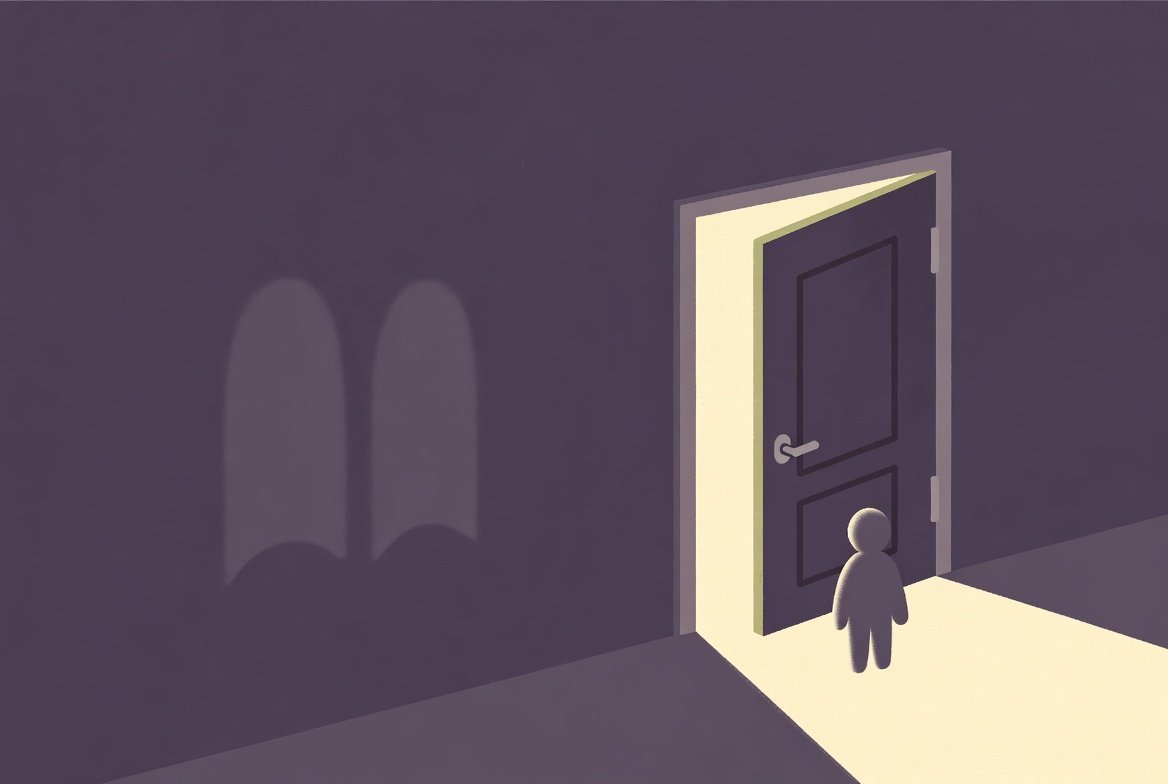
Why We Keep Walking Into the Same Rooms
Life sometimes feels repetitive in a way that’s hard to put into words — not because Monday follows Sunday, but something deeper: the same argument with a different person, the same mistake under different circumstances, a new room that somehow has familiar furniture.

Will the Cravings Ever Completely Go Away?
Mostly, eventually, and not entirely. The measured trajectory is stranger than the honest guess.

Will There Be a Place That I Belong?
You had one. It was killing you. The question of what replaces it deserves a more honest answer than "come to a meeting."
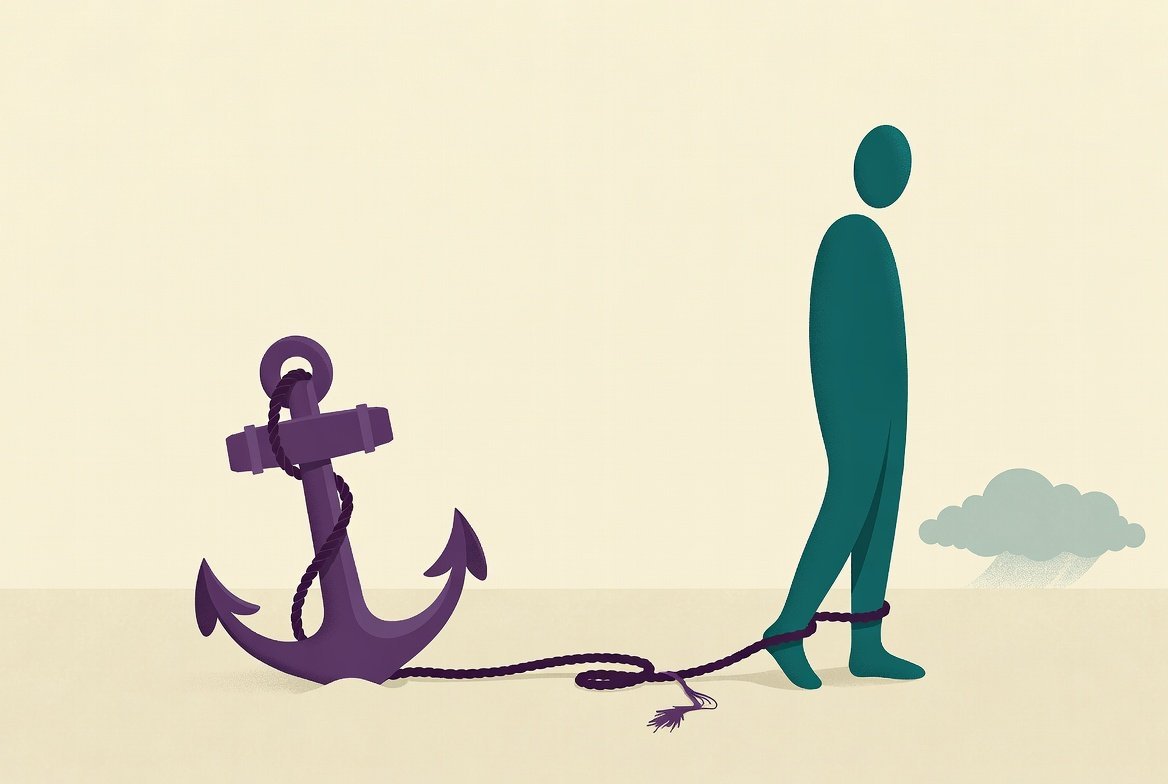
Withdrawal Anchors
A lot of people assume withdrawal only matters while it’s actively happening — the symptoms appear, the discomfort arrives, the person gets through it, and then it’s over.

